
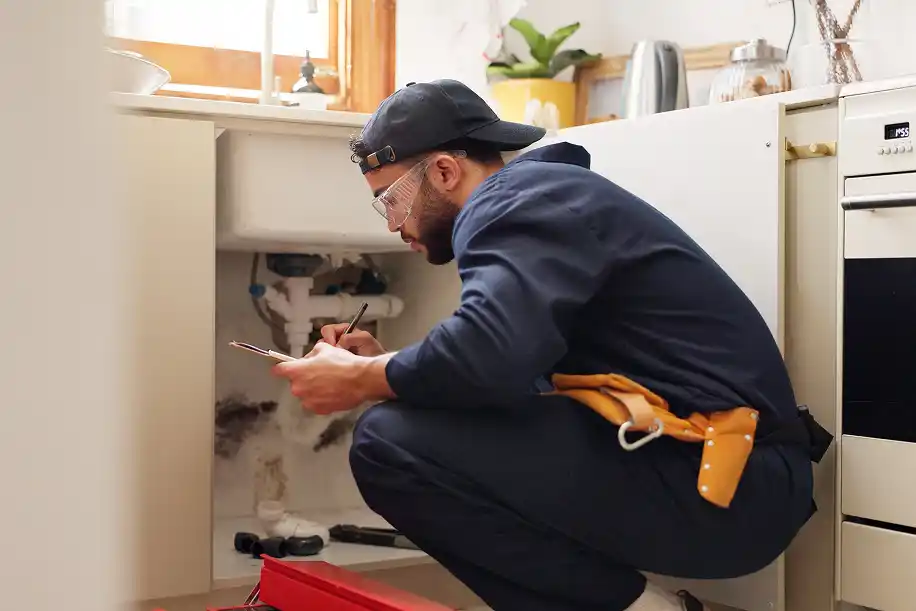
What to Do in a Plumbing Emergency: A Step-by-Step Guide
A plumbing emergency can happen at any time, and knowing what to do in a plumbing emergency is crucial for minimizing damage and avoiding costly repairs. Whether it’s a burst pipe emergency, an overflowing toilet, or a sudden leak, acting quickly and following the proper plumbing emergency steps can help you respond effectively. This plumbing emergency guide will walk you through the essential actions to take when plumbing issues arise.
Step 1: Shut Off the Water Supply
The very first thing you should do in any plumbing emergency is to shut off the water supply. This stops further damage from occurring and prevents additional flooding. Locate your home’s main water shut-off valve and turn it off immediately. For localized issues, such as a leaking toilet or sink, shut off the individual fixture’s valve.
Step 2: Turn Off the Water Heater
In the case of a burst pipe emergency or issues with hot water, turning off your water heater is essential. This helps prevent pressure buildup and potential damage to the unit. For electric water heaters, turn off the breaker. For gas heaters, set the thermostat to the “pilot” or “off” position to prevent overheating and potential damage.
Step 3: Identify the Plumbing Issue
Once the water is off, assess the situation. Determine whether the issue is a burst pipe, clogged drain, leaking appliance, or sewer backup. It’s important to avoid using plumbing fixtures until the problem is fully resolved. Understanding the issue will help you decide the next steps.
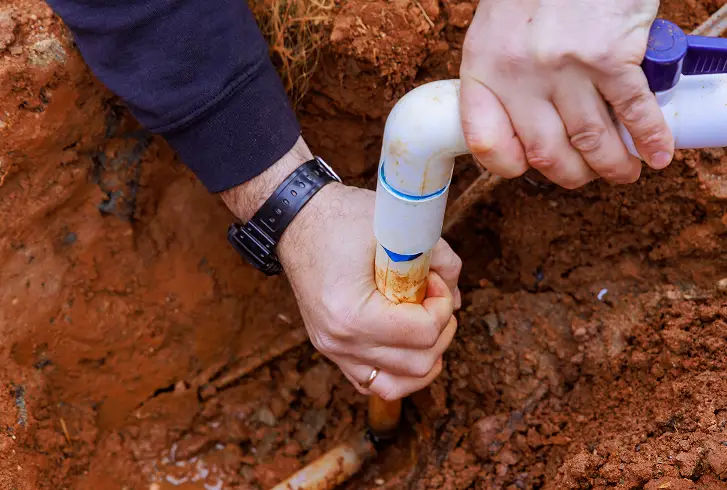
Step 4: Drain Remaining Water
To reduce pressure and avoid further leaks, open nearby faucets to drain excess water from the pipes. Use towels, buckets, or a wet/dry vacuum to remove any standing water. Draining the water helps minimize the risk of additional damage and gives you more control over the situation.
Step 5: Contain the Damage
Protect your home by moving furniture, electronics, and valuables away from the affected area. Use towels or absorbent materials to soak up the water and prevent it from spreading further. If there are visible leaks, place buckets underneath to catch any water that continues to flow. Prompt action can limit water damage and reduce the chance of structural issues.
Step 6: Attempt a Temporary Fix (If Safe)
If the situation is minor, you may be able to apply a temporary fix. Use plumber’s tape, pipe clamps, or tighten any loose fittings to temporarily stop the leak. However, never attempt major repairs without proper tools or experience, as this can make the problem worse. If the problem seems serious, it’s best to avoid any DIY repairs.
Step 7: Call a Professional Plumber
In most cases, a plumbing emergency requires professional help. Contact a licensed emergency plumber who can quickly diagnose and repair the issue. Professional service ensures that the problem is properly fixed and prevents recurring issues in the future. For emergency plumbing services, you can check out our Emergency Plumbing Services.
Step 8: Document the Damage
Taking photos or videos of the affected areas is essential for insurance purposes. Documenting the damage can help support your claims for water damage or emergency repairs. This visual proof will be useful when working with insurance companies or contractors.
Final Thoughts
Knowing what to do in a plumbing emergency can save you time, money, and stress. By acting fast, shutting off the water, and calling a professional plumber, you can protect your home from serious damage. Preparedness is key, and following the plumbing emergency steps outlined in this guide ensures you’re ready when emergencies arise. For more Emergency Plumbing Tips, check out this helpful article from the American Red Cross on disaster preparedness