How to Prevent Common Plumbing Issues: Essential Plumbing Tips for Homeowners
How to prevent common plumbing issues before they escalate is essential for homeowners looking to save time, money, and avoid unnecessary stress. Many plumbing problems start small and worsen over time if ignored. With proper home plumbing maintenance and a few proactive habits, you can effectively prevent costly repairs and keep your plumbing system running smoothly. In this guide, we’ll share expert plumbing tips for homeowners to help you avoid plumbing emergencies.
Regularly Check for Leaks: A Key Step in Plumbing Problems Prevention
Leaks, even minor ones, can lead to significant water damage and increased utility bills. To prevent common plumbing issues, regularly inspect your faucets, showerheads, under sinks, and around toilets for signs of leaks or moisture. Early detection and repair of leaks will help you avoid mold growth and prevent pipe corrosion, ultimately saving you money and frustration.
Avoid Clogged Drains with Simple Maintenance
Clogged drains are one of the most frequent plumbing problems in households. To prevent clogged drains, avoid pouring grease, oil, or food scraps down the sink. Use drain strainers to catch hair and other debris, especially in bathrooms. Regularly flushing drains with hot water can help maintain proper flow, reducing the chances of blockages that could lead to expensive plumbing repairs.
Properly Maintain Your Water Heater
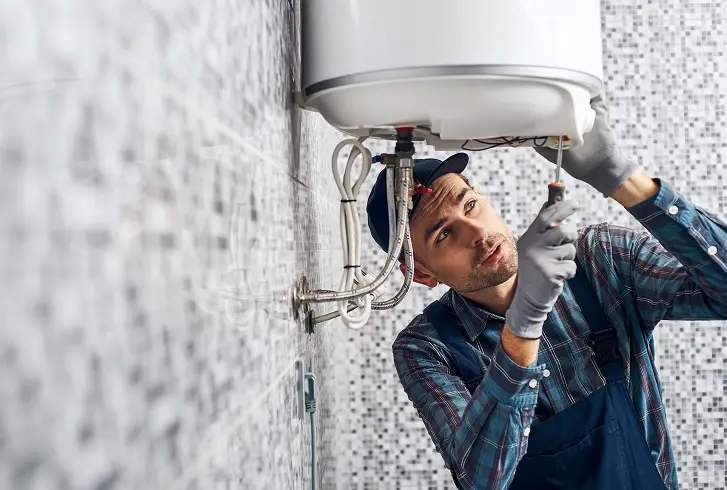
Sediment buildup in your water heater can reduce its efficiency and shorten its lifespan. Flushing your water heater at least once a year is an effective way to prevent plumbing issues by removing blockages and ensuring consistent hot water. Pay attention to rust or unusual noises from the water heater, as these could indicate potential problems that need addressing.
Monitor Water Pressure to Avoid Plumbing Damage
While high water pressure may feel good, it can cause long-term damage to pipes, appliances, and fixtures. To avoid plumbing emergency situations, use a pressure gauge to monitor your water pressure and ensure it stays within a safe range. Installing a pressure regulator is an excellent way to protect your plumbing system and prevent damage.
Be Mindful of What You Flush
Toilets are designed to handle human waste and toilet paper only. Flushing anything else, such as wipes, paper towels, or hygiene products, can lead to serious blockages and sewer backups. By educating everyone in your household about proper flushing habits, you can prevent plumbing problems and costly repairs.
Insulate Exposed Pipes to Avoid Winter Damage
Exposed pipes, especially in colder months, are at risk of freezing and bursting. To avoid plumbing emergencies during the winter, it’s essential to insulate pipes in areas like basements, garages, and exterior walls. Proper insulation can help prevent water damage and costly plumbing repairs caused by freezing pipes.
Schedule Regular Professional Plumbing Inspections
Regular plumbing inspections by a professional plumber are vital for plumbing problems prevention. A licensed plumber can identify hidden leaks, aging pipes, and system inefficiencies before they become major issues. Scheduling a routine inspection can save you money in the long run and ensure your plumbing system is in excellent working order. If you need a professional plumber, check out our plumbing services for quick and reliable solutions.
Final Thoughts
How to prevent common plumbing issues doesn’t require complex measures—just consistent home plumbing maintenance and a bit of attention to detail. By following these simple plumbing tips for homeowners, you can protect your plumbing system, avoid major repairs, and ensure your home stays safe and comfortable year-round. For additional resources on maintaining your plumbing system, check out this helpful guide on plumbing maintenance